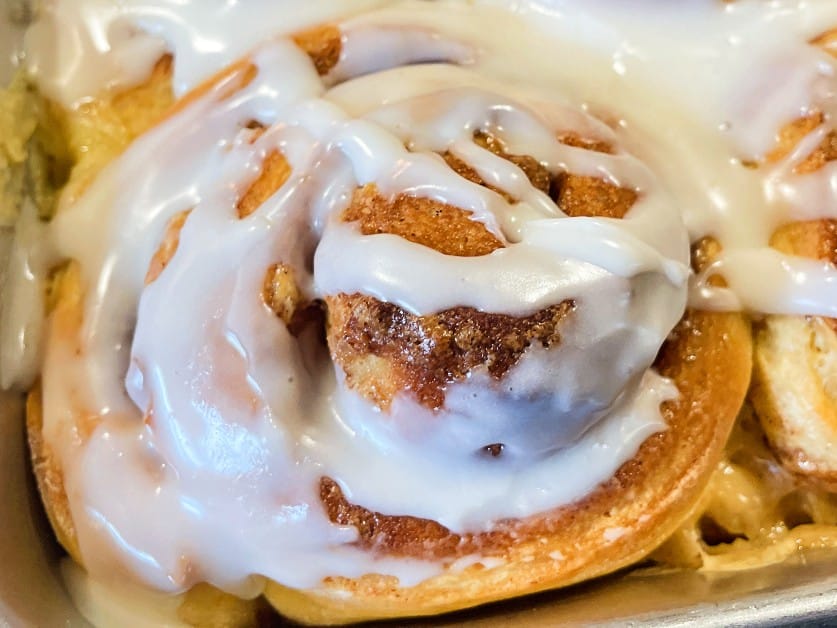
Soft and Fluffy Homemade Cinnamon Rolls
Recipe at a Glance
- Why You’ll Love It: These homemade cinnamon rolls bake up incredibly soft and fluffy with swirls of buttery cinnamon sugar and a sweet vanilla glaze. They’re perfect for holiday mornings, weekend breakfasts, or whenever you’re craving a bakery-style treat made from scratch.
- Taste & Texture: Soft, pillowy, pull-apart rolls with a gooey cinnamon filling and a sweet, buttery vanilla glaze.
- Skill Level: Beginner to Intermediate
- Prep Time: 30 minutes (plus rising time)
- Rise Time: About 2 hours
- Bake Time: 20 to 25 minutes
- Total Time: About 3 hours
- Servings: 12 cinnamon rolls
- Best For: Christmas morning, brunch, family gatherings, weekend baking, make-ahead breakfasts
- Key Tip: The dough should feel soft, smooth, satiny, and almost marshmallow-like. Don’t judge it by the flour measurement alone. A slightly tacky dough bakes into the softest cinnamon rolls.
There’s something special about pulling a pan of warm cinnamon rolls from the oven. The sweet aroma of cinnamon fills the kitchen, the buttery swirls bake into tender layers, and before they even have a chance to cool, everyone is asking when they can have one.
These homemade cinnamon rolls have become one of my favorite recipes because they’re everything I want a cinnamon roll to be: soft, fluffy, and packed with cinnamon sugar in every bite. After making them again and again, I’ve learned that the secret isn’t adding more flour. It’s creating a dough that stays soft and slightly tacky, giving you those pillowy rolls that stay tender long after they’ve cooled.
Whether you’re baking them for Christmas morning, a weekend brunch, or simply because you’re craving something homemade, this recipe will walk you through every step so you can bake bakery-worthy cinnamon rolls right in your own kitchen.
Why These Homemade Cinnamon Rolls are Worth Making
- Perfectly soft and fluffy every time. The dough bakes into light, pillowy rolls with tender layers that practically pull apart on their own.
- Made with simple pantry ingredients. No fancy ingredients or complicated techniques. If you bake at home, you probably already have everything you need.
- Beginner-friendly instructions. I’ve included the visual dough cues I use, so you’ll know exactly when the dough is mixed and kneaded enough instead of guessing by the flour measurement alone.
- Perfect for holidays or weekends. These cinnamon rolls are always a favorite for Christmas morning, brunch, birthdays, or whenever you want to make breakfast feel a little extra special.
- Easy to make ahead. Prepare them the night before or freeze a batch so homemade cinnamon rolls are never far away.
- Choose your favorite frosting. Keep them classic with my sweet vanilla glaze, or try the optional cream cheese frosting for a rich, tangy twist.
Ingredients for Homemade Cinnamon Rolls
For the Dough
- Whole milk, warmed
- Active dry yeast
- Granulated sugar
- Unsalted butter, softened
- Eggs
- Salt
- All-purpose flour (start with 5 cups, adding only a little more if needed)
For the Cinnamon Filling
- Unsalted butter, softened
- Brown sugar
- Ground cinnamon
For the Vanilla Glaze
- Powdered sugar
- Butter
- Vanilla extract
- Milk
Ingredient Notes
- Whole Milk: Warm the milk to about 105 to 110°F. It should feel warm, not hot, so it activates the yeast without killing it.
- Yeast: I use active dry yeast, so I always let it proof before mixing the dough. If your yeast doesn’t become foamy after a few minutes, it’s best to start over with fresh yeast.
- Flour: Start with the 5 cups listed in the recipe. Resist the urge to keep adding flour right away. After several minutes of kneading, the dough should become soft, smooth, satiny, and just slightly tacky.
- Butter: Softened butter mixes more evenly into both the dough and the cinnamon filling.
- Brown Sugar: Light or dark brown sugar both work. Dark brown sugar gives the filling a slightly richer molasses flavor.
- Cinnamon: Use a good-quality ground cinnamon since it’s the star of the filling.
Helpful Tools for This Recipe
I use these kitchen tools regularly, and they’ve become some of my favorites for baking. If you decide to purchase through the links below, I may earn a small commission at no additional cost to you. Thank you for supporting The Pickled Farmhouse!
- Stand Mixer (optional but makes kneading easier)
- Rolling Pin
- 9×13-inch Baking Dish
- Instant-Read Thermometer (my favorite way to know when the rolls are perfectly baked)
- Bench Scraper (great for handling and dividing dough)
- Dental Floss or a Sharp Serrated Knife (for clean slices without squishing the rolls)
How to Make Homemade Cinnamon Rolls
Proof the yeast
Warm the milk until it’s about 105 to 110°F. Stir in the sugar, then sprinkle the yeast over the top. Let it sit for 5 to 10 minutes until it’s nice and foamy.
Farmhouse Tip: If your yeast doesn’t foam, don’t keep going. Starting with fresh yeast now is much better than ending up with dense rolls later.

Mix the dough
Add the softened butter, eggs, salt, and flour. Mix until a shaggy dough forms.
Don’t worry if it looks a little sticky at first. That’s exactly what you want.
Knead until soft and satiny
Knead the dough for 8 to 10 minutes, adding only a little extra flour if it’s still very sticky after several minutes.
You’re looking for a dough that is:
- Soft
- Smooth
- Satiny
- Slightly tacky
- Similar to the feel of a marshmallow
It should pull away from the sides of the bowl while still sticking just a little to the bottom.
Farmhouse Tip: The biggest mistake is adding too much flour too soon. A slightly tacky dough bakes into incredibly soft cinnamon rolls.

First rise
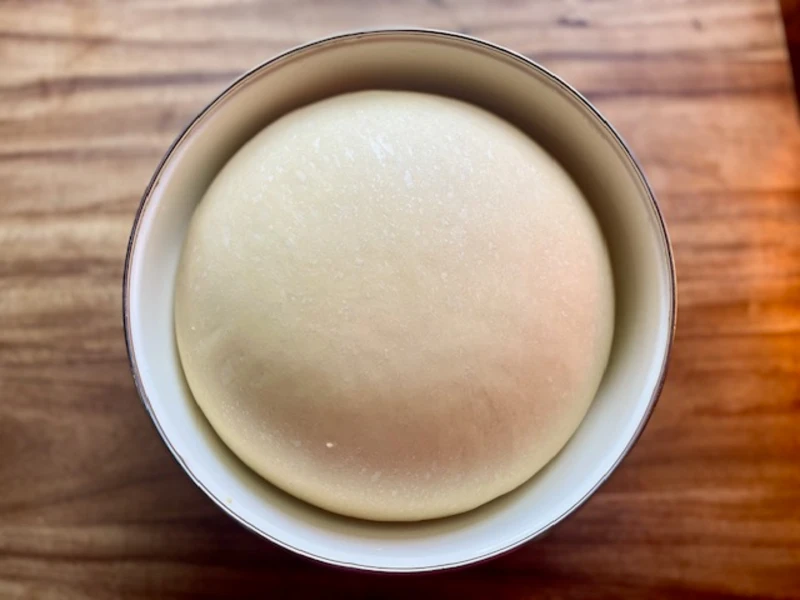
Place the dough in a lightly greased bowl, cover, and let it rise until doubled in size, about 1 to 1½ hours, depending on the temperature of your kitchen.


Roll and fill
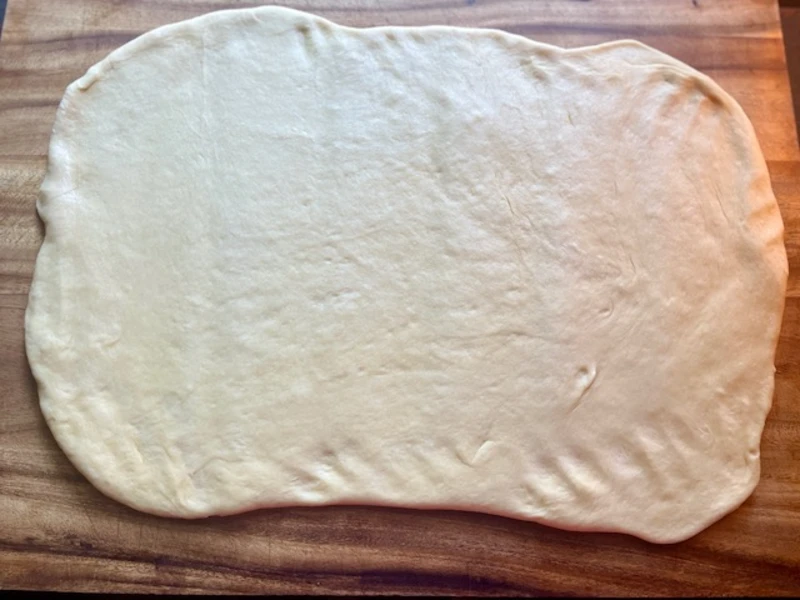
Turn the dough onto a lightly floured surface and roll it into a rectangle.
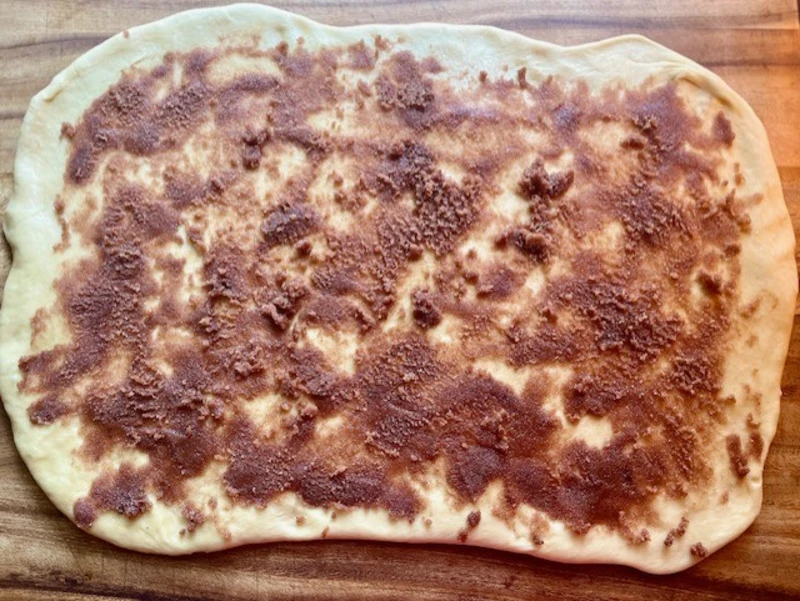
Spread the softened butter over the dough, then sprinkle evenly with the brown sugar and cinnamon mixture.
Roll and slice
Roll the dough up tightly, starting with the long side.
Slice into 12 even rolls using unflavored dental floss or a sharp serrated knife.
Farmhouse Tip: Dental floss cuts through the dough cleanly without squishing the rolls.


Second rise
Arrange the rolls in a greased 9×13-inch baking dish.
Cover and let them rise until they’re puffy and just touching, about 30 to 45 minutes.
Add the Heavy Cream
Once the rolls have completed their second rise, gently pour ½ cup heavy cream evenly over the tops and around the rolls.
Don’t worry if it pools in the bottom of the pan. As the cinnamon rolls bake, they’ll absorb the cream, creating incredibly soft, tender rolls with gooey centers.
Farmhouse Tip: Let the heavy cream come close to room temperature before pouring it over the rolls. Cold cream can slow the oven spring slightly.

Bake
Bake at 375°F for 20 to 25 minutes, or until golden brown.
The best way to know they’re done is with an instant-read thermometer. Insert it into the center of one of the middle rolls, avoiding a pocket of cinnamon filling if possible. The rolls are done when the center reaches 190 to 195°F.
Make the Vanilla Glaze
While the cinnamon rolls are baking, whisk together the powdered sugar, melted butter, vanilla extract, and milk until smooth. If needed, add a little more milk for a thinner glaze or a little more powdered sugar for a thicker consistency.
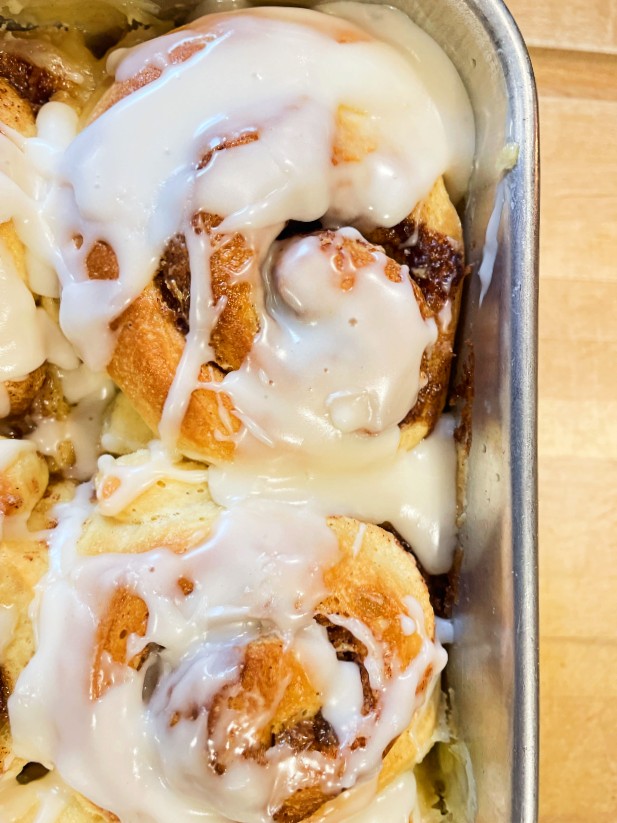
Farmhouse Tip: I like my glaze thick enough to cling to the warm rolls but thin enough to slowly drip down into all the swirls.
Frost and Serve
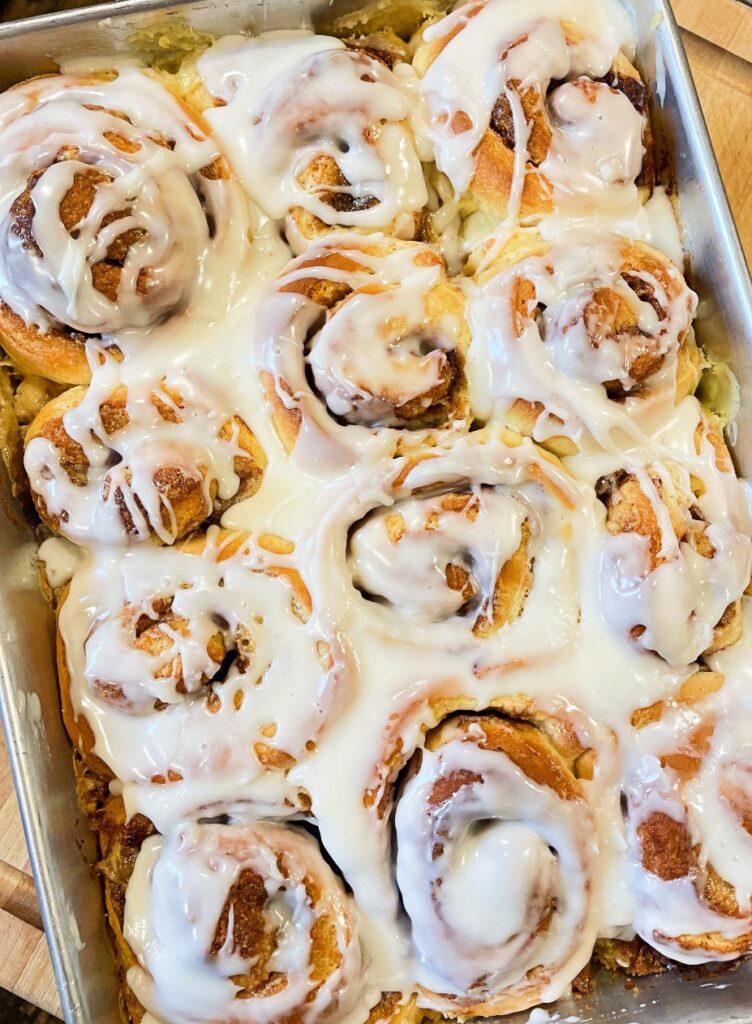
Let the cinnamon rolls cool for 5 to 10 minutes before spreading on the vanilla glaze.
If you’d like, run a butter knife around each roll before frosting. It helps separate them for serving while still allowing the glaze to seep down between the rolls.
Optional Cream Cheese Frosting
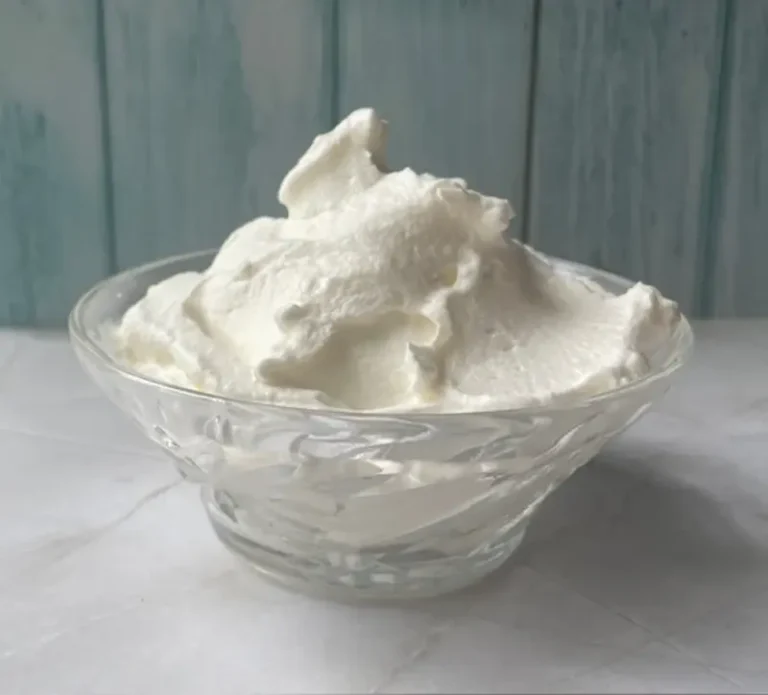
If you love the tangy richness of cream cheese frosting, this simple version is absolutely delicious on these cinnamon rolls. It’s creamy, fluffy, and spreads beautifully over warm rolls. My classic vanilla glaze is still my go-to, but when I’m craving something extra rich, this cream cheese frosting is hard to beat.
Ingredients
- 4 ounces cream cheese, softened
- 4 ounces (½ cup) unsalted butter, softened
- 2 cups powdered sugar
- 1 teaspoon vanilla extract
Instructions
- In a large mixing bowl, beat the softened cream cheese and butter together until smooth, light, and fluffy.
- Add the powdered sugar and vanilla extract.
- Beat until the frosting is smooth and creamy. If needed, scrape down the sides of the bowl and mix again until everything is fully combined.
- Spread over warm cinnamon rolls about 5 to 10 minutes after they come out of the oven.
Farmhouse Tip: For the fluffiest frosting, make sure both the butter and cream cheese are fully softened before mixing. Cold ingredients can leave small lumps in the frosting.
Tips for the Best Homemade Cinnamon Rolls
- Don’t rush the rise. Yeast dough takes its own time. Let the dough double in size rather than watching the clock.
- Resist adding too much flour. The dough should be soft, smooth, and slightly tacky. Too much flour is the fastest way to end up with dry cinnamon rolls.
- Use room-temperature ingredients. Softened butter, room-temperature eggs, and warm milk help create a smoother dough and better rise.
- Pour on the heavy cream before baking. A splash of heavy cream just before the rolls go into the oven helps create soft, gooey centers.
- Check for doneness with a thermometer. The center of a middle roll should reach 190 to 195°F for perfectly baked cinnamon rolls.
- Frost while the rolls are warm. Waiting about 5 to 10 minutes lets the glaze melt into every swirl without running completely off the rolls.
- Use unflavored dental floss for clean slices. It cuts through the dough without flattening the rolls, helping them bake up beautifully.
Make Ahead Instructions
If you’d like to get a head start, prepare the cinnamon rolls through the shaping step and place them in the baking dish. Cover tightly with plastic wrap or foil and refrigerate overnight.
The next morning, remove the rolls from the refrigerator and let them sit at room temperature for 45 to 60 minutes, or until they’re puffy. Pour the heavy cream over the rolls just before baking, then bake as directed.
How to Store Homemade Cinnamon Rolls
Store leftover cinnamon rolls in an airtight container at room temperature for up to 2 days or in the refrigerator for up to 5 days.
If you’ve used the cream cheese frosting, I recommend storing the rolls in the refrigerator.
Freezing
Cinnamon rolls freeze beautifully.
You can freeze them unfrosted or frosted for up to 3 months. Wrap the rolls tightly in plastic wrap, then place them in a freezer-safe container or freezer bag.
Thaw overnight in the refrigerator or on the counter for a few hours before reheating.
Reheating
For the best texture, warm individual cinnamon rolls in the microwave for 15 to 25 seconds until soft and warm.
If you’re reheating several rolls, cover the baking dish with foil and warm them in a 300°F oven for about 10 to 15 minutes.
Variations
Want to change things up? Here are a few delicious ways to customize these homemade cinnamon rolls.
- Cream Cheese Frosting: Swap the vanilla glaze for the optional cream cheese frosting for an extra rich finish.
- Add Nuts: Sprinkle chopped pecans or walnuts over the cinnamon sugar filling before rolling.
- Add Raisins: Mix raisins into the filling for a classic old-fashioned version.
- Extra Spice: Add a pinch of cardamom or nutmeg to the cinnamon filling for a warm, cozy flavor.
- Maple Glaze: Replace the vanilla with maple extract for a delicious fall-inspired twist.
Frequently Asked Questions
Do I need a Can I make cinnamon rolls the night before?stand mixer?
Yes! Prepare the rolls through the shaping step, cover the pan, and refrigerate overnight. The next morning, let them sit at room temperature for 45 to 60 minutes until puffy, then pour the heavy cream over the top and bake as directed.
Can I use instant yeast instead of active dry yeast?
Yes. You can substitute instant yeast in an equal amount. Since instant yeast doesn’t need to be proofed, you can mix it directly with the dry ingredients before adding the wet ingredients.
Why do you pour heavy cream over cinnamon rolls before baking?
The heavy cream is absorbed into the rolls as they bake, creating an extra soft, tender texture with gooey centers. It’s a simple step that makes a big difference.
How do I know when cinnamon rolls are done?
The most reliable way is with an instant-read thermometer. Insert it into the center of one of the middle rolls. They’re done when the internal temperature reaches 190 to 195°F.
Why are my cinnamon rolls dry?
The most common reason is adding too much flour. The dough should be soft, smooth, and slightly tacky after kneading. Overbaking can also dry them out, so keep an eye on the baking time and check the internal temperature.
Can I freeze homemade cinnamon rolls?
Absolutely! Once completely cooled, wrap the rolls tightly and freeze for up to three months. Thaw overnight in the refrigerator or at room temperature before reheating.
Can I make these without a stand mixer?
Yes. You can mix the dough with a sturdy wooden spoon and knead it by hand for about 10 to 12 minutes until it’s smooth, soft, and elastic.
What’s the best frosting for cinnamon rolls?
That depends on your preference! I usually make these with my classic vanilla glaze because it’s sweet, simple, and lets the cinnamon flavor shine. When I’m in the mood for something richer, I’ll switch things up with the optional cream cheese frosting.
More Homemade Baking Recipes You’ll Love
If you enjoyed these homemade cinnamon rolls, here are a few more cozy baking recipes from The Pickled Farmhouse:
- Homemade Blueberry Muffins
- Apple Cider Donut Cake
- Homemade Pumpkin Bread
- The Perfect Pie Crust
- Mini Chocolate Chip Muffins
- Apple Dapple Cake
Soft and Fluffy Homemade Cinnamon Rolls
Ingredients
Method
- In a small bowl, sprinkle yeast over 1/2 cup of warm water (110 to115 degrees F). Stir completely to dissolve. Allow yeast to bloom.
- In a mixing bowl, combine warm milk, melted butter, sugar and salt. Stir until blended.
- To the milk mixture add the yeast mixture, eggs, and vanilla.
- Add 5 cups (600 g) of flour and knead for 8 to 10 minutes. The dough should become soft, smooth, and satiny, pulling away from the sides of the bowl while remaining slightly tacky. If it is still very sticky after several minutes of kneading, add the remaining flour 1 tablespoon at a time until it reaches this consistency.
- Place dough in a clean greased bowl; turn dough over so all surfaces are greased. Cover with a tea towel or fabric bowl cover. Place dough in a warm spot until it doubles in size.
- Meanwhile, in a small bowl add 3/4 cup of sugar, cinnamon, and 3 tablespoons of melted butter. combine.
- Once dough has doubled in size, punch it down. Transfer to clean surface to roll into a 8 x12 inch rectangle.
- Spread cinnamon mixture evenly over dough.
- Roll long side to long side jelly-roll fashion. Cut dough into 12 one inch slices and place in a greased 9 x 13 baking pan. Cover pan with tea towel and allow to rise until doubled in size.
- To the pan pour 1 cup of heavy cream over the rolls.
- Pre-heat oven to 375 degrees F. Baked rolls for 20 to 25 minutes.
- Whiles rolls are baking make the frosting. In a medium bowl, mix powdered sugar, milk, and vanilla until very well blended. Set aside.
- Remove rolls from oven and allow to cool for about 5 minutes before frosting.
Notes
- The dough should be soft, smooth, satiny, and slightly tacky after kneading. Resist adding too much flour, as it can make the rolls dry.
- Kitchen temperatures vary, so use the dough’s appearance rather than the clock. Let it rise until doubled in size.
- For extra soft, gooey cinnamon rolls, pour ½ cup room-temperature heavy cream over the rolls just before baking.
- Bake until the center of a middle roll reaches 190 to 195°F for the best texture.
- Let the rolls cool for 5 to 10 minutes before glazing so the icing melts into the swirls without running completely off.
- Store leftover cinnamon rolls in an airtight container for up to 2 days at room temperature or 5 days in the refrigerator.